The Gaming Trust Engine
A fast-paced, trust-centered design journey transforming a constrained gaming economy into an accessible, exciting digital marketplace. This case study explores how DominoGem blended speed, credibility, and gamification to give players a reliable way to buy in-game credits—while turning every transaction into a moment of excitement. Built from the ground up as both a product and a community, DominoGem became a space gamers could trust with every tap.
The Idea
In 2021, I noticed a growing problem in our country’s gaming community.
Gamers were passionate — but stuck.
Because of political and financial restrictions, players couldn’t easily purchase in-game items, recharge accounts, or buy premium passes for popular titles like Call of Duty: Mobile, PUBG, Free Fire, and Apex Legends.
The result?
Thousands of skilled players felt locked out of the full experience — unable to compete, upgrade, or express themselves like their global peers.
So, together with a friend, I decided to build DominoGem — a platform that would give gamers:
- A safe, fast, and reliable way to buy in-game credits and premium items.
- A simple, transparent, and trust-based experience in a market full of uncertainty.
We wanted to build not just a shop — but a community hub for players.
From Vision to Product
Finding the Opportunity
I began with market and competitor research, studying dozens of regional platforms offering similar services.
Patterns emerged quickly:
- Most platforms had cluttered UIs with too many steps.
- Checkout flows were confusing and often failed during payment.
- None created a brand gamers could actually love — they were purely transactional.
This gave us our direction:
“Make DominoGem feel like a gamer’s space — fast, fun, and trustworthy.”
Defining the Brand
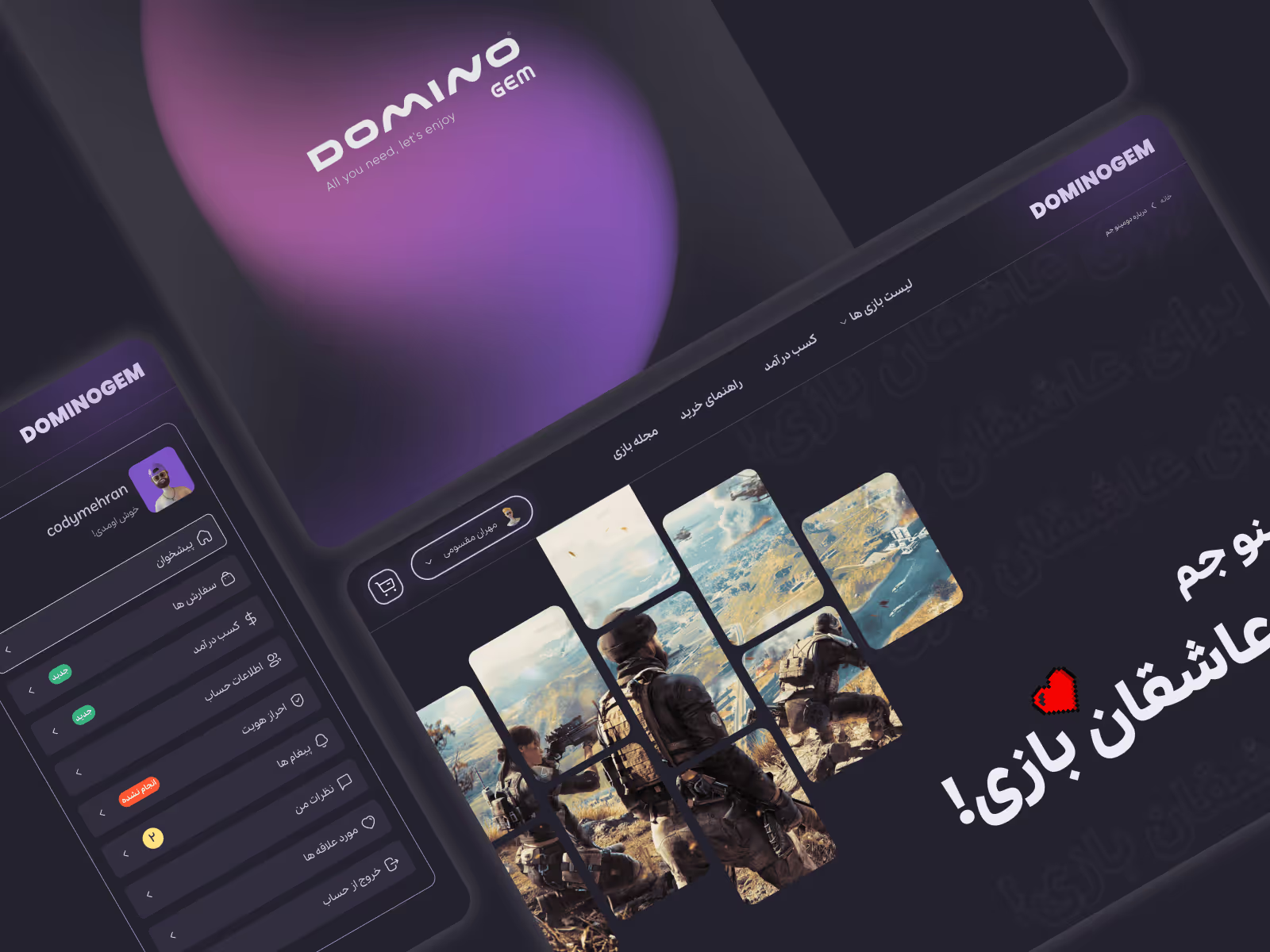
I designed the visual identity and logo, drawing inspiration from gaming badges and modern esports minimalism.
We wanted DominoGem to look cool but credible — the kind of site a gamer could trust at first glance.
We also decided to add personality through dynamic colors, light/dark modes, and micro-interactions inspired by loot-box reveals.
Designing the Experience
The product had three main pillars:
- Speed — every action should take seconds, not minutes.
- Trust — transparent pricing, visible order history, and secure payments.
- Excitement — gamification to make even a top-up feel rewarding.
The Core Flow
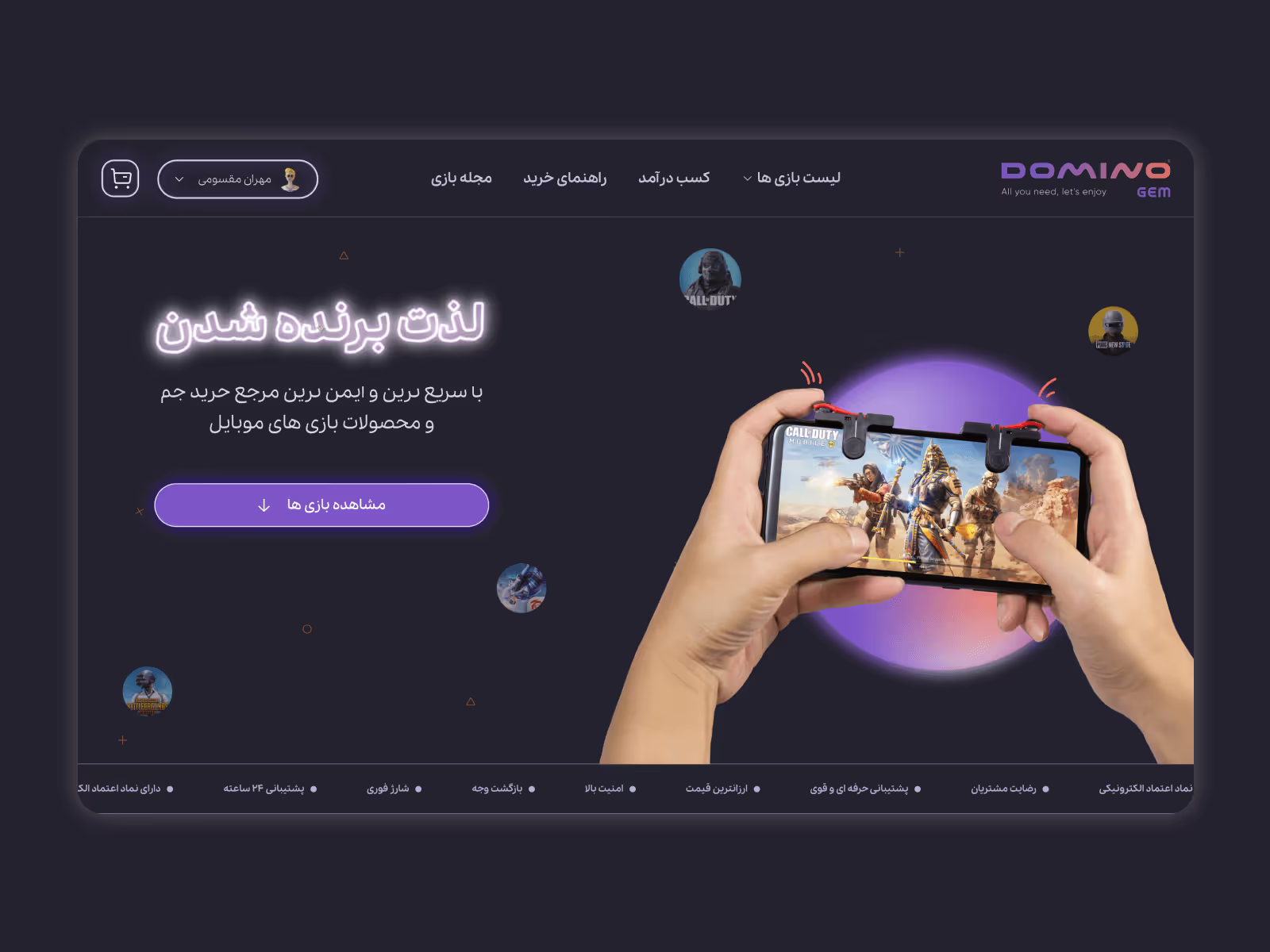
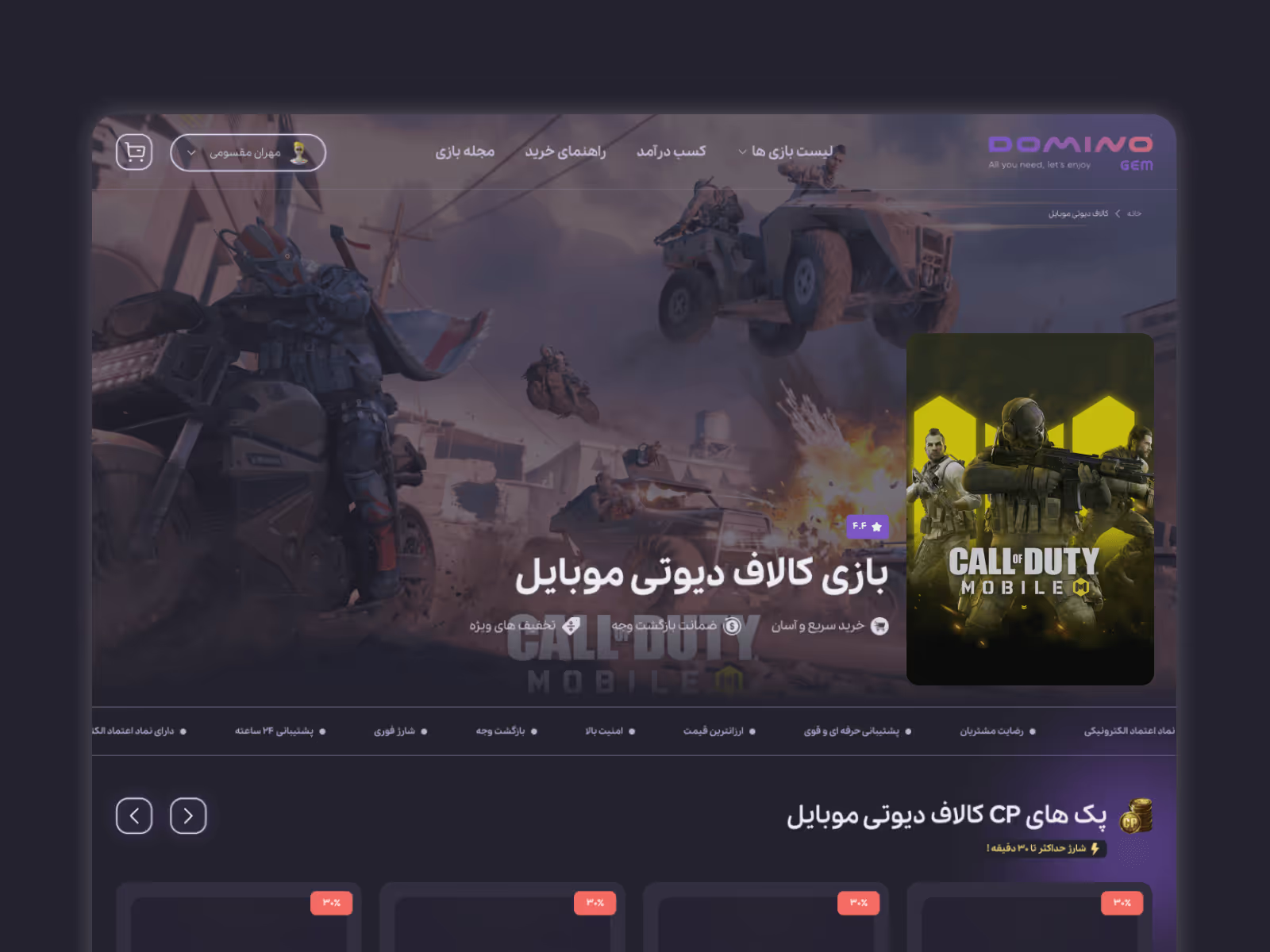
I designed a lightweight and frictionless purchase flow:
- Choose your game → Enter player ID → Select credit amount → Confirm → Pay.
No registration walls, no waiting screens — just pure function.
We optimized for mobile from the start, using progressive loading and short micro-steps to reduce friction.
Building the Ecosystem
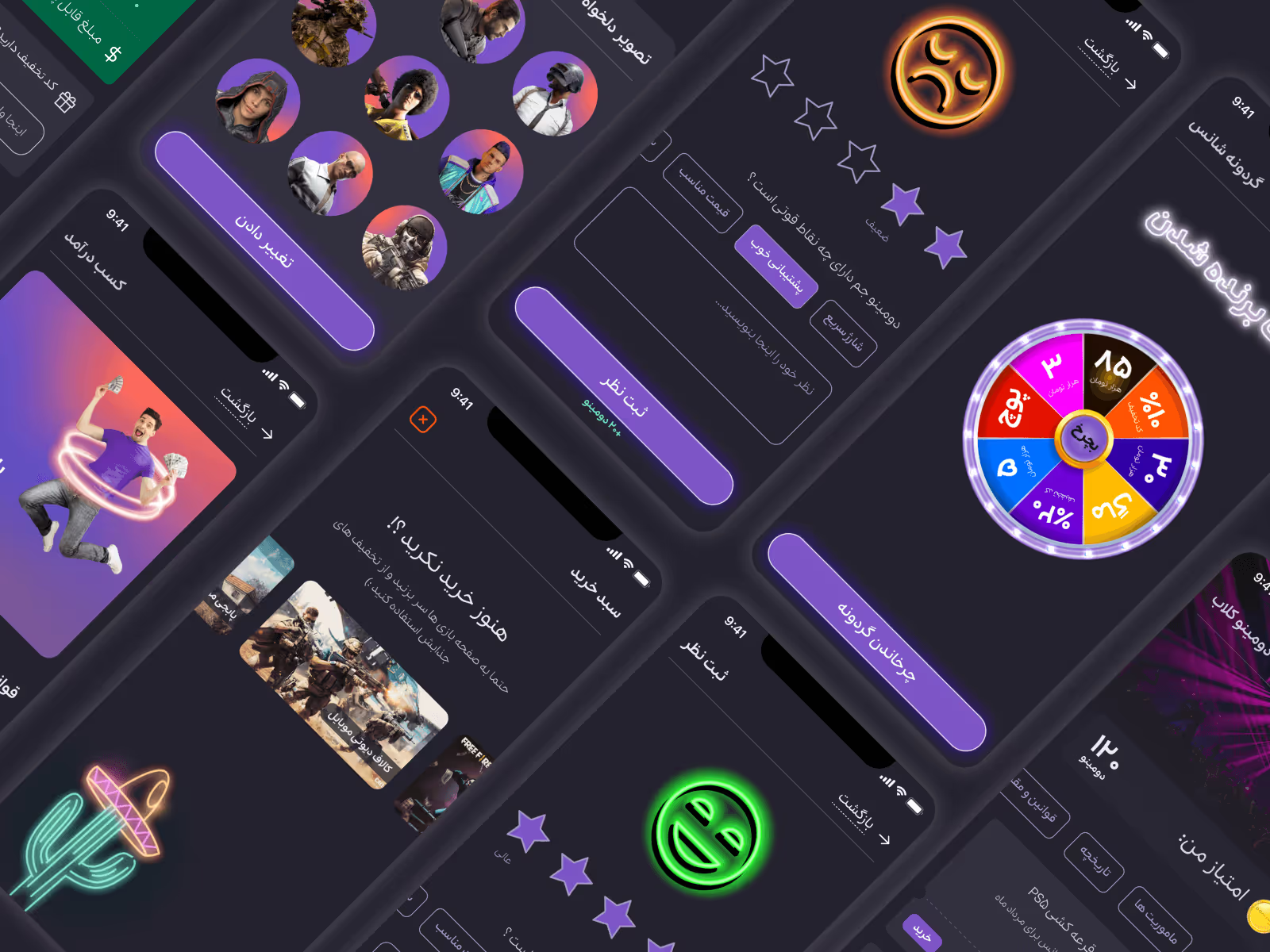
As the user base grew, I expanded the platform with features that deepened engagement:
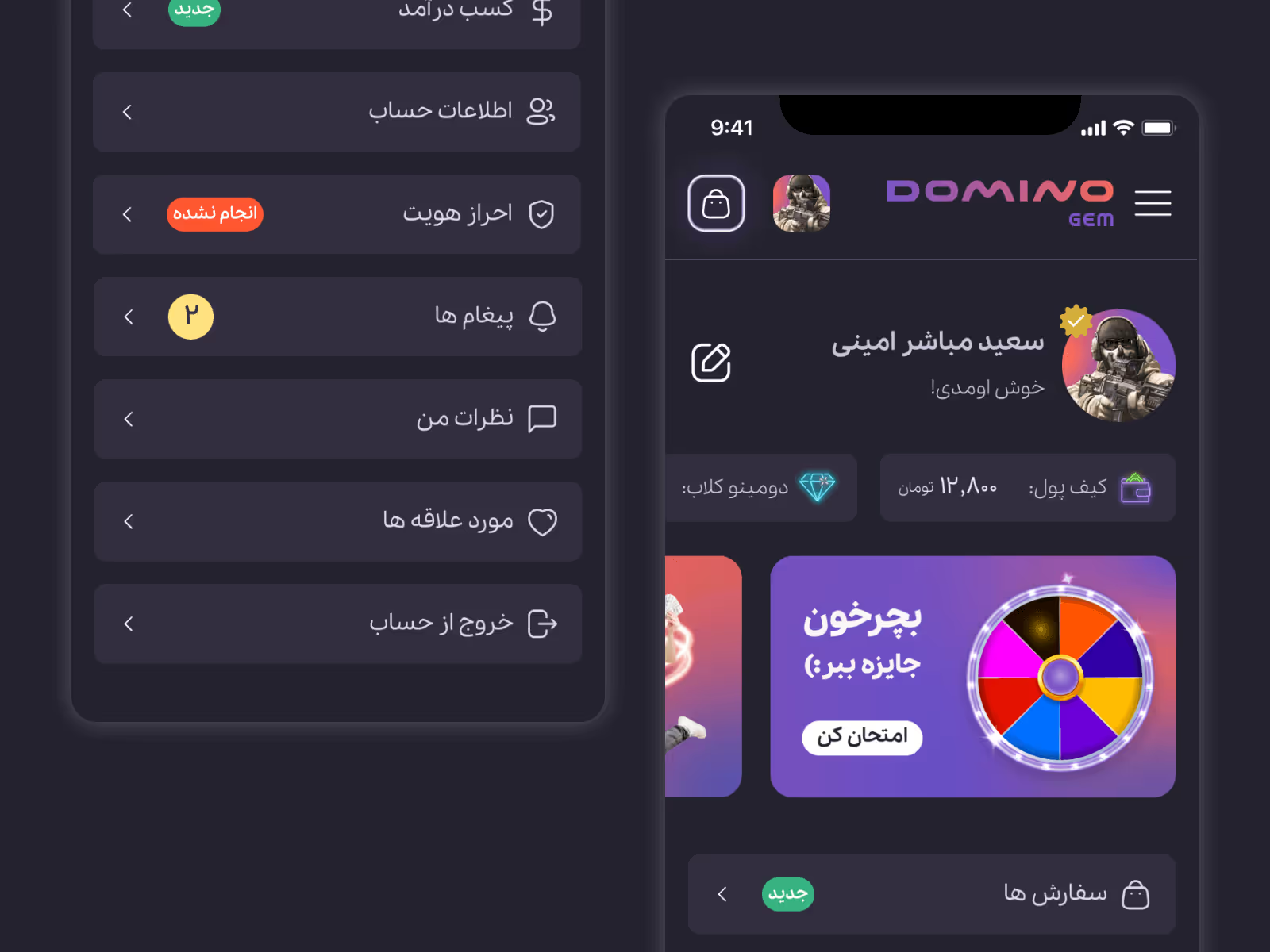
- User Club: a loyalty system where players earned XP and ranks for every purchase.
- Wheel of Fortune: a gamified experience where users could win discounts or bonus credits.
- Referral & Reward System: encouraging viral growth among friend groups.
- Personal Dashboard: order history, saved payment methods, and dynamic offers tailored by behavior.
Each new feature was tested with small player groups to refine UX balance between reward and simplicity.
Growth & Impact
We launched quietly — with minimal ad spend and no paid influencers at first.
Instead, we focused on authentic community marketing:
- Collaborated with popular local streamers and esports figures for gameplay videos and product mentions.
- Released short motion ads targeting gaming sub-communities.
- Implemented smart web advertising, retargeting based on abandoned carts and most-viewed games.
Within the first month, DominoGem reached:
- 1,000+ registered users
- 500 successful transactions
- 30% conversion rate — unusually high for a new B2C fintech-gaming product.
As we scaled, engagement rose sharply thanks to the User Club and Wheel of Fortune, which increased:
- User retention by 40%
- In-app purchases by 25%
These results proved that our early UX and brand investments created not just customers — but a loyal player base.
Collaboration & Execution
As Co-Founder and Product Designer, my role extended far beyond wireframes.
I managed:
- Design & Development alignment, ensuring we shipped fast without losing consistency.
- Support operations, helping users resolve issues during early beta stages.
- Marketing collaboration, defining tone and messaging for social ads and influencer partnerships.
We grew from a 2-person team to a cross-functional crew covering design, engineering, and support — all united under one mission: make the gaming economy accessible.
Reflection
DominoGem wasn’t just a startup — it was a lesson in how trust, speed, and emotion drive user behavior in digital commerce.
We entered a saturated market, but we won by making people feel safe, excited, and seen.
“Great design doesn’t only simplify payments — it builds confidence in every tap.”
Building DominoGem taught me how to combine design strategy, business thinking, and community growth — skills that shaped how I approach every product since.